Tuesday: Soil Too Wet to Walk and the Harvest List Reshuffles
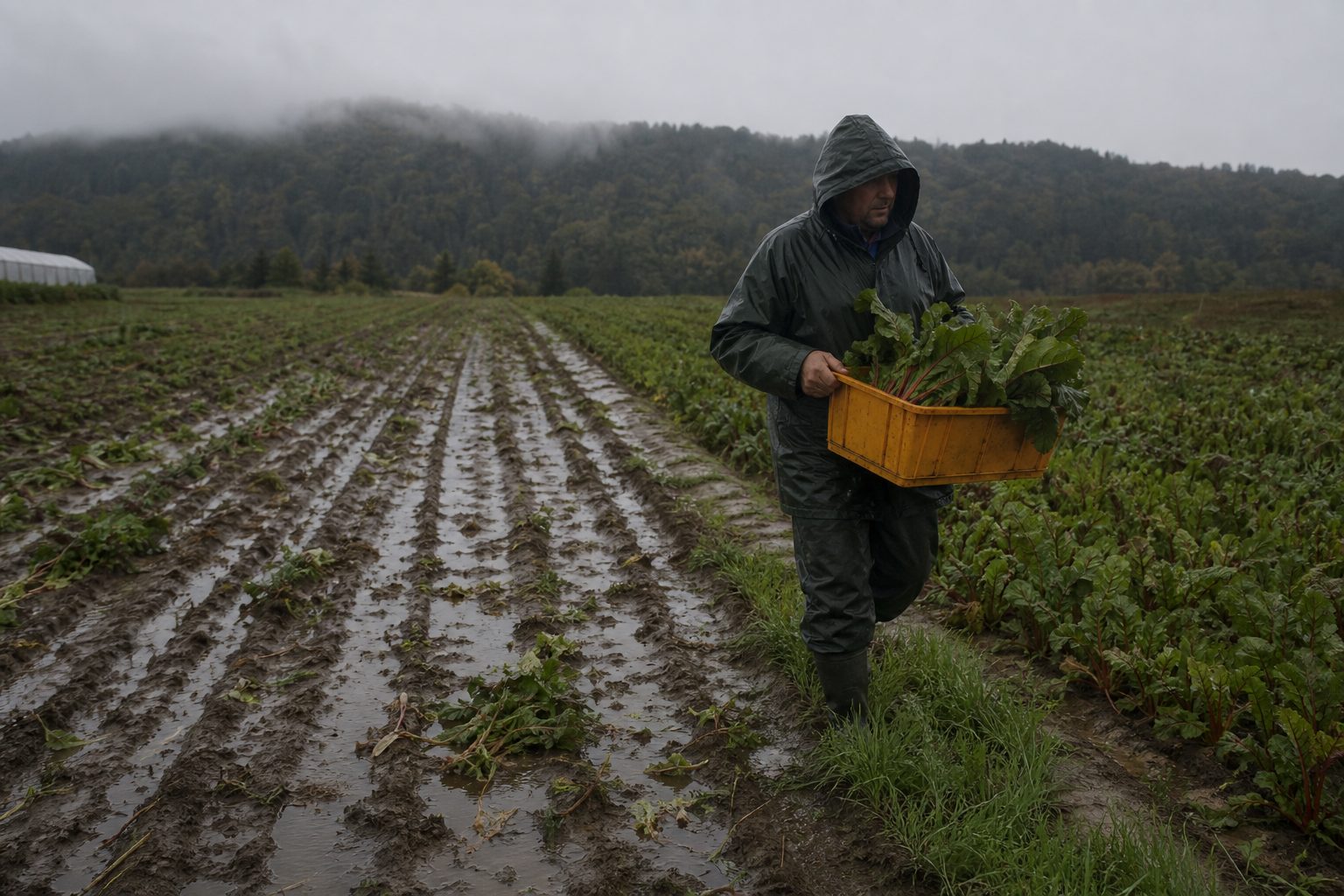
The rain starts at dawn and does not let up. By noon, three inches have fallen. The morning plan, set the night before, called for a harvest of carrots, head lettuce, new potatoes, and cut greens. By midmorning, the crew is staring at standing water. The carrot field lies at the bottom of the slope, now a shallow pond. The high beds hold, but only barely. The walkways squelch on every step.
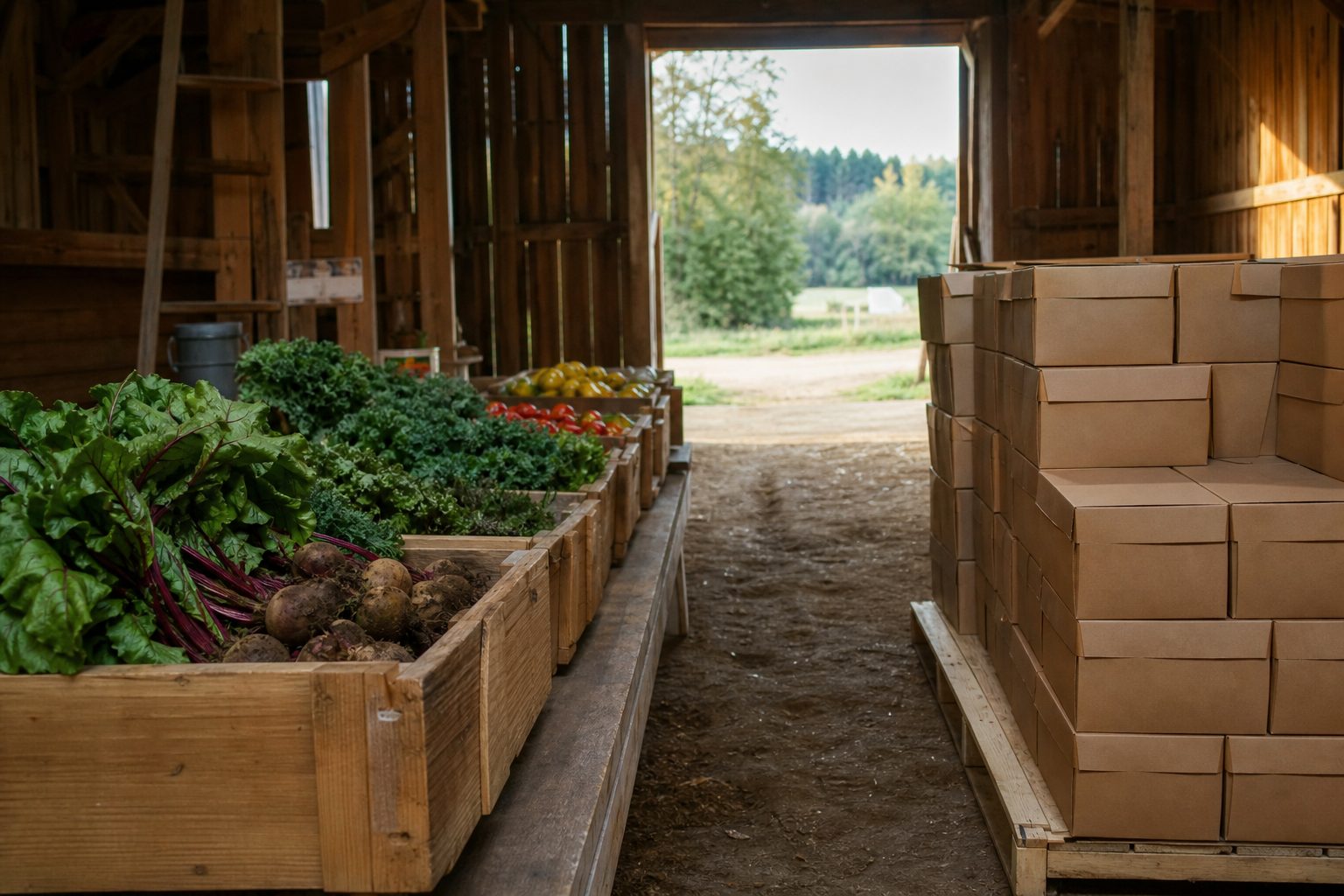
With water pooling in the aisles, moving equipment is out. The wheelbarrows fill with rain as fast as you can empty them. Picking anything from the low ground will mean compacting soil that will not recover by the next planting. The team huddles in the packing shed, phones open to the share list, and starts rewriting. Carrots are out. Potatoes are out. Only crops on the high beds are possible today, and only by carrying crates by hand, one at a time.
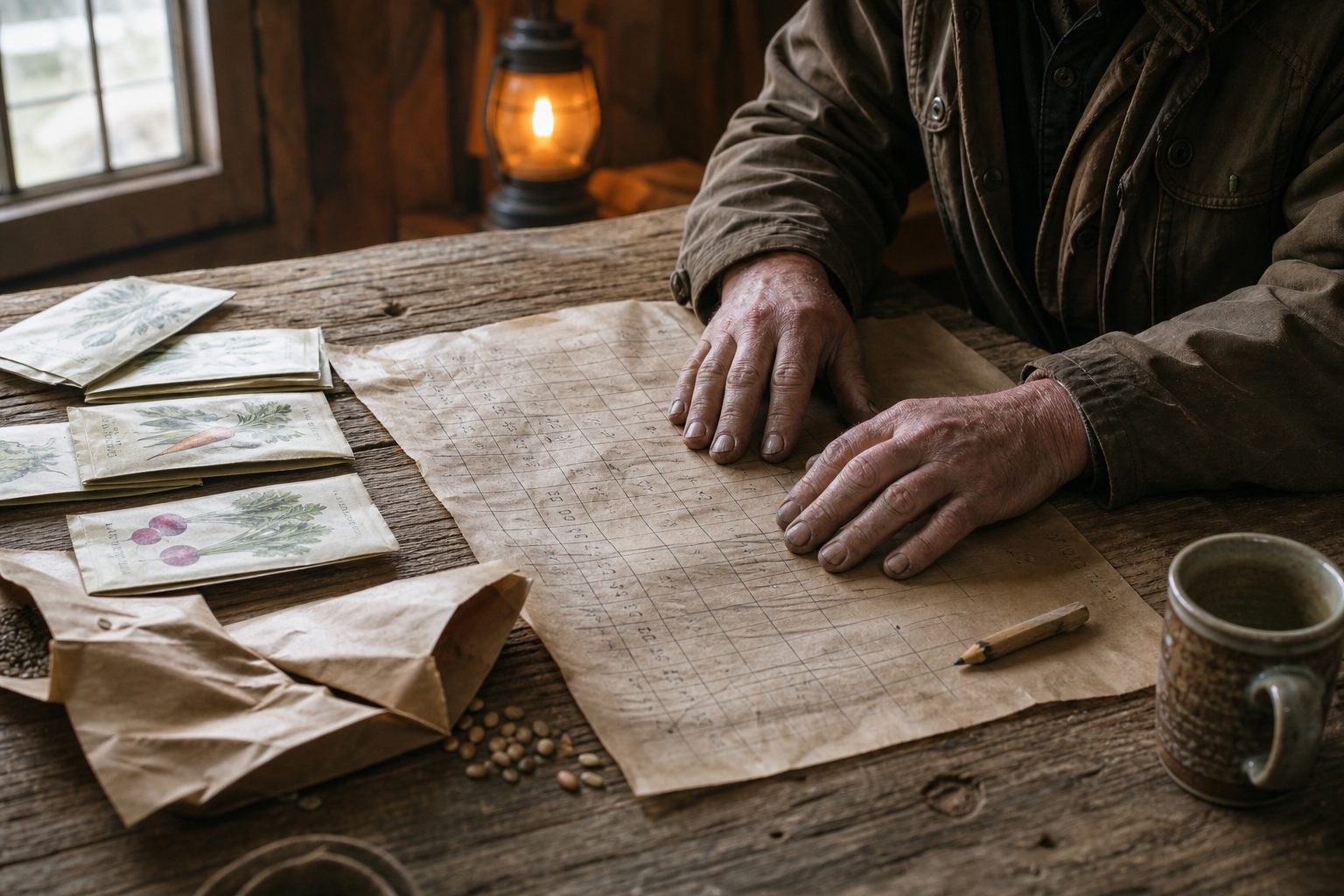
Tuesday ends with a new, shorter list. The crew pulls out notes from previous years. Someone remembers the chard patch holds well after rain. The CSA box is already thinner, and it is only the first day of the week.
Keep reading: How to Build a 22 Week CSA Share Calendar From Seeding Dates
Crops That Wait in the Ground and Crops That Rot in Two Days
Some crops tolerate rain, even heavy rain, without much change. Others spoil fast, especially if they are near maturity. Knowing which is which determines who gets a decent box and who gets the leftovers.
Root Crops: The Clock Starts Ticking
Carrots and beets can wait in the ground, but not in saturated soil. If the beds drain well, they might last another week. In heavy clay, two days under water and the fine roots start to rot. The tops yellow and the flavor turns off. Potatoes are worse. If the soil stays muddy, tubers may develop soft spots quickly. Digging them in the wet risks bruising and speeds decay in storage. Radishes crack, then rot, if left too long in wet ground.
Leafy Greens: Resilience Varies
Head lettuce and spinach can take a couple days of wet, but not much more. Lettuce gets slimy at the leaf base. Spinach leaves begin to yellow and collapse. Chard and kale hold longer. Their waxy leaves shed water better. Mustard greens bolt or yellow after a rain like this, especially if heat follows. Arugula, especially young, can melt down in place if the sun comes out hot after the storm.
Fruit Crops: Split, Mold, or Hold
Tomatoes on the vine will split if the rain follows a dry spell. Cherry tomatoes go first, splitting at the stem. Peppers can tolerate more, but soft spots appear if they sit in wet leaves for long. Summer squash and cucumbers can balloon overnight, but the next day the tender fruit may show water spots or mildew. Eggplant can handle wet roots, but not standing in water for more than a day.
Alliums like onions and garlic stay in the ground, but if the necks are soft or the bulbs mature, standing water invites rot. Green onions can be pulled, rinsed, and held, but mature bulbs must dry, not soak. Wet harvests mean more sorting and more loss in storage.
Cutting Greens Wet and What It Costs in Shelf Life
Once the rain stops, the team faces a choice: cut greens wet or wait and risk losing more. For most small farms, the CSA box depends on salad mix or baby greens to fill space and value. Wet greens are heavier and harder to cool. The leaves bruise during harvest, and the water stuck between the leaves keeps the temperature high in the tote.
Cutting wet, the crew can fill totes faster, but more dirt clings to the leaves. That means double or triple washes back at the shed. Each wash adds time and labor, uses more water, and still leaves grit behind. The leaves go into the cooler already damp. No matter how cold the cooler runs, moisture trapped in the tote means the greens will not last as long. Instead of five or six days, the shelf life drops to three, sometimes two. By Saturday, any leftover mix will be wilted or starting to slim down, unusable for market sales or late pickups.
Some growers lay the cut greens out on mesh racks with fans, trying to dry them before packing. This helps, but takes space and time, and if the air is humid, the leaves may not dry fast enough. For larger shares, it may be worth the trouble. For a 30-member CSA, the crew may simply not have the hands or the room, so the loss in shelf life is the price of keeping something in the box.
Members who pick up late in the week will notice. Even with a member note, a soggy bag of spinach can lead to complaints. Most farms take the loss and compost the worst bags, but it adds up over a season of wet weeks.
Keep reading: Fixed Box vs Choice Box vs Market Credit: Three CSA Models Compared
Compaction and Wheel Ruts: The Bill That Comes Due in August
Choosing not to enter wet fields is not just about shoes and trucks getting stuck. Compaction is the hidden cost of harvesting in the rain. When a worker steps into saturated soil, the weight presses air out. Roots in compacted beds struggle for oxygen, and water drains slowly for weeks. The next crop planted in those rows will grow slower and may never catch up.
Wheel ruts from carts or tractors become permanent scars in a wet spring or summer. Even a single pass with a hand truck can sink four inches deep, especially in silty or clay soils. By August, when the next round of greens or carrots goes in, the compacted zones dry into hardpan. Rain runs off instead of soaking in, and the roots cannot penetrate. Yields drop, and the beds need time and effort to repair, usually with broadforks or subsoiling after the season ends.
Some farms try to use only the grassy aisles or carry everything by hand in wet weeks. This saves the field, but increases fatigue and slows the harvest. The bill comes due later: fewer crops, more work, and sometimes a section of field that must be fallowed to recover.
Rewriting the Share List on Wednesday Night
By Wednesday, the crew has a realistic sense of what is harvestable. The field manager walks every bed, tests the soil by hand, and makes the final calls. The share list changes again. This is not a small edit. The carrots are still underwater. The head lettuce is salvageable, but only the smaller heads. The cut greens are harvested, but shelf life is in question. The potatoes are out, and the tomatoes are not safe to pick yet, as the mud would spread disease from plant to plant.
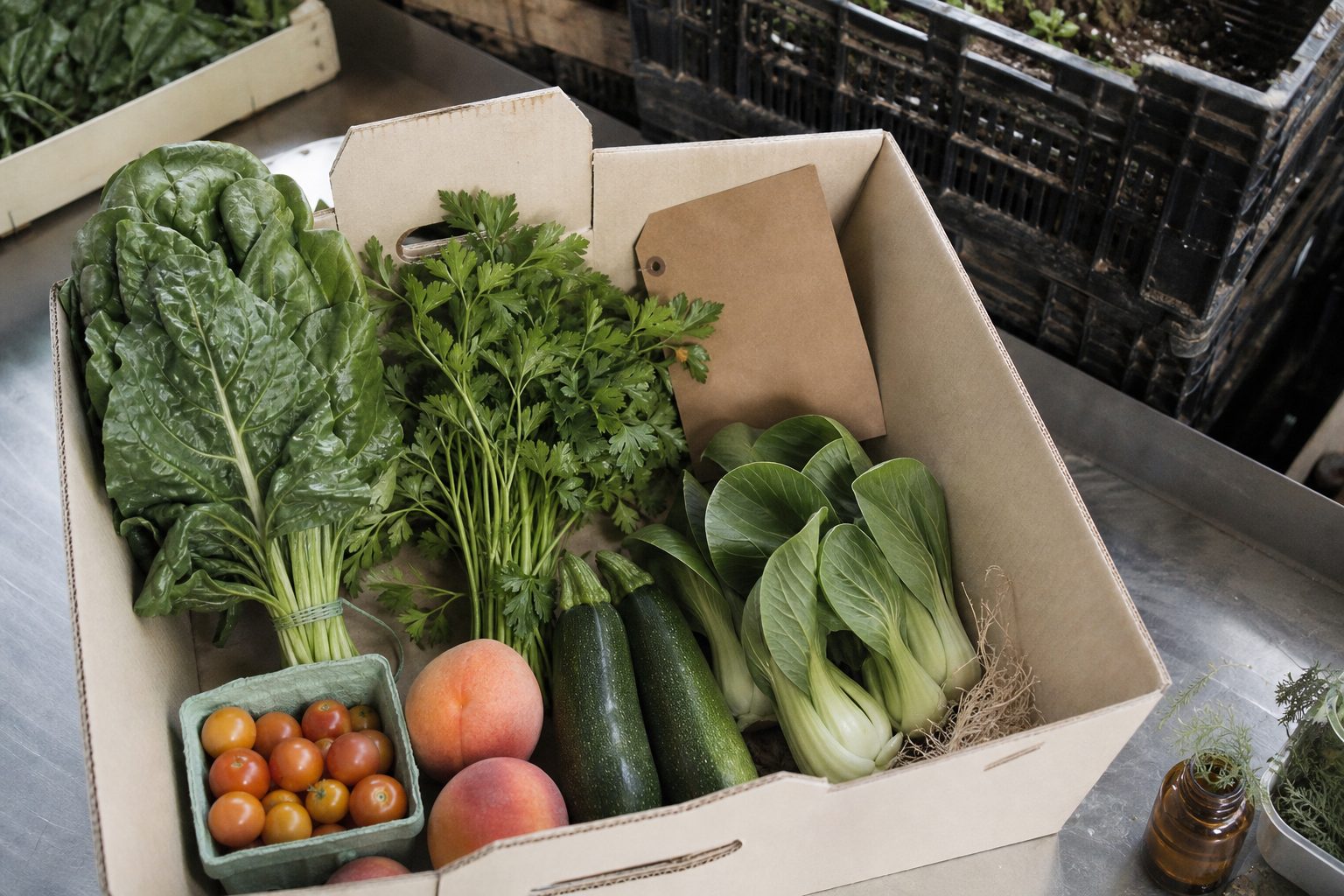
Replacing lost items is a puzzle. The manager looks for substitutions: more chard instead of spinach, small bunches of herbs in place of a missing root crop, extra summer squash if any are harvestable. Some items are doubled up to make up for lost variety. In a larger CSA, more flexibility exists, but with only 50 or 100 shares, every missing crop is felt.
Every change means new calculations: can the crew pick enough of each crop without damaging the beds? Can the packing shed handle the extra water and mud? Can the box still look full and balanced? The spreadsheet grows longer, and the margin for error shrinks. More time is spent in the office, less in the field. By the end of Wednesday, the share list is set, but the box is different from what was promised just two days before.
See how CropShareBox handles this for small farms and agriculture
The Member Note That Keeps a Thin Box From Becoming a Complaint
The member newsletter matters most during rain weeks. A thin box needs context. If members hear nothing, they see fewer items and imagine poor planning or lack of effort. A note in the email or printed on top of the box makes the difference between understanding and frustration.
Good member notes explain what happened without complaining. "Three inches of rain on Tuesday kept us out of the carrot beds, so you will find extra chard and herbs this week instead." Some farms add a sentence on storage: "Use your greens soon, as the wet harvest means shorter shelf life." Others add a weather photo or a line about the crew's efforts, but keep it brief. If the note is honest and direct, most members accept the change. A few will email back with questions or disappointment, but the majority appreciate knowing how the farm is coping.
The best member notes also teach: they mention which crops hold up in wet weather and which cannot. Over time, this builds trust and helps members accept that farming is not a produce aisle. The box will vary, and weather is the main reason why.
What Gets Replanted and What Gets Written Off
The week after a heavy rain, the damage is clearer. Some beds will recover with sun and wind. Others are lost completely. Crops that were close to harvest but could not be picked in time may rot in place. The crew walks the fields again, pulling samples and counting what is salvageable.
Cut greens can sometimes be cut again in two weeks if the roots survived. Head lettuce that melted is a total loss. Carrots may recover if the ground drained quickly, but in a wet, compacted bed, they suffer. Potatoes may need to be dug and sorted, with half or more going straight to compost. Tomatoes and peppers may split, but some fruit can be picked early and ripened off the vine.
Replanting depends on the calendar. Early in the season, another round of greens can go in. Radishes and salad turnips have short cycles, so they may fill a gap in three weeks. Carrots and potatoes cannot be replaced in a short CSA window. Herbs and quick brassicas help fill out future boxes, but the main crops lost are just gone for the year. Each loss means recalculating the share value, and likely more substitutions ahead.
For many small farms, tracking all these changes, what was lost, what was saved, what needs to be replanted, ends up on a whiteboard or in a notebook. More organized operations use spreadsheets or planning tools. When the boxes depend on weather and field notes change by the hour, software that links harvest estimates, member preferences, and substitutions keeps the CSA box balanced week to week, rain or shine.