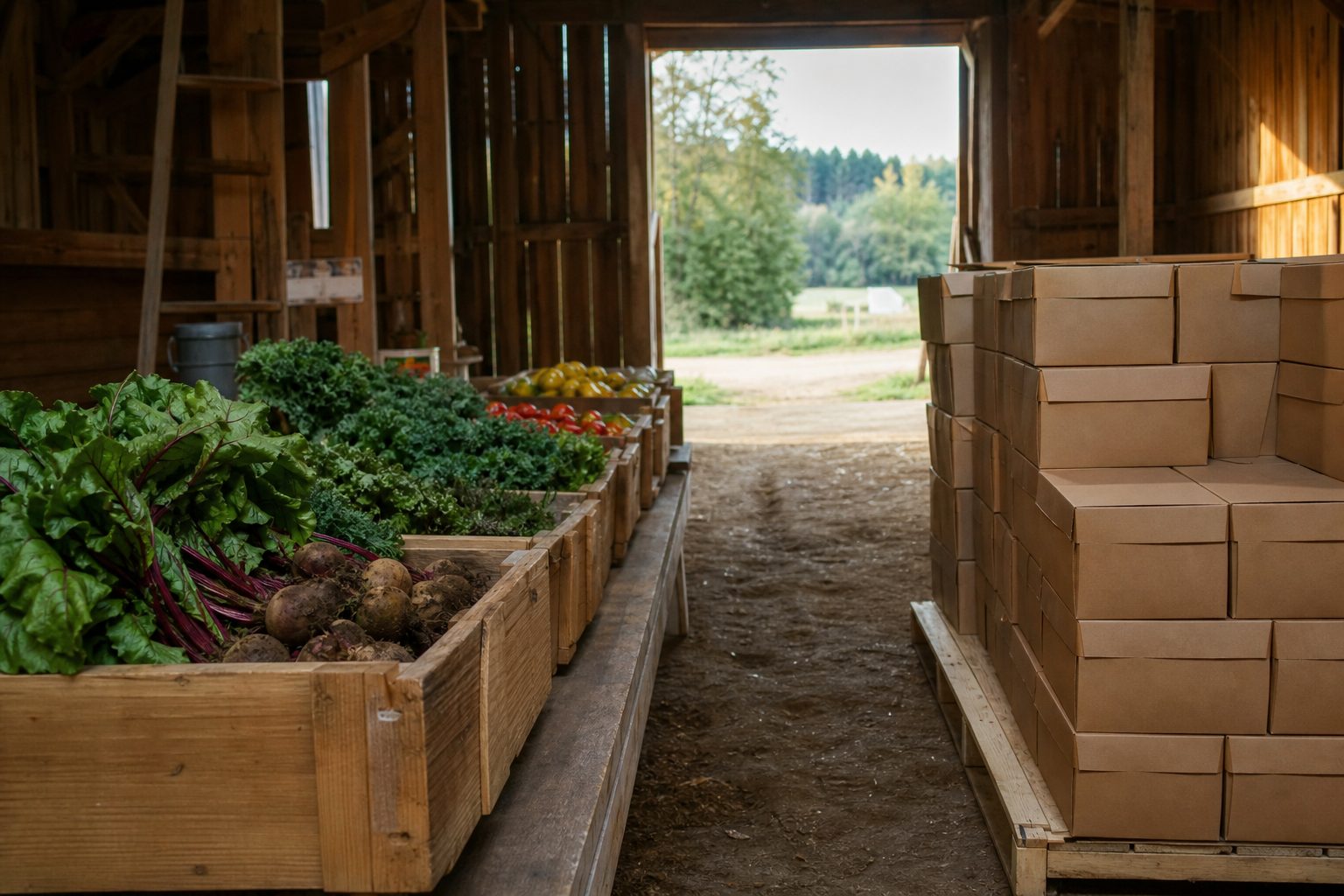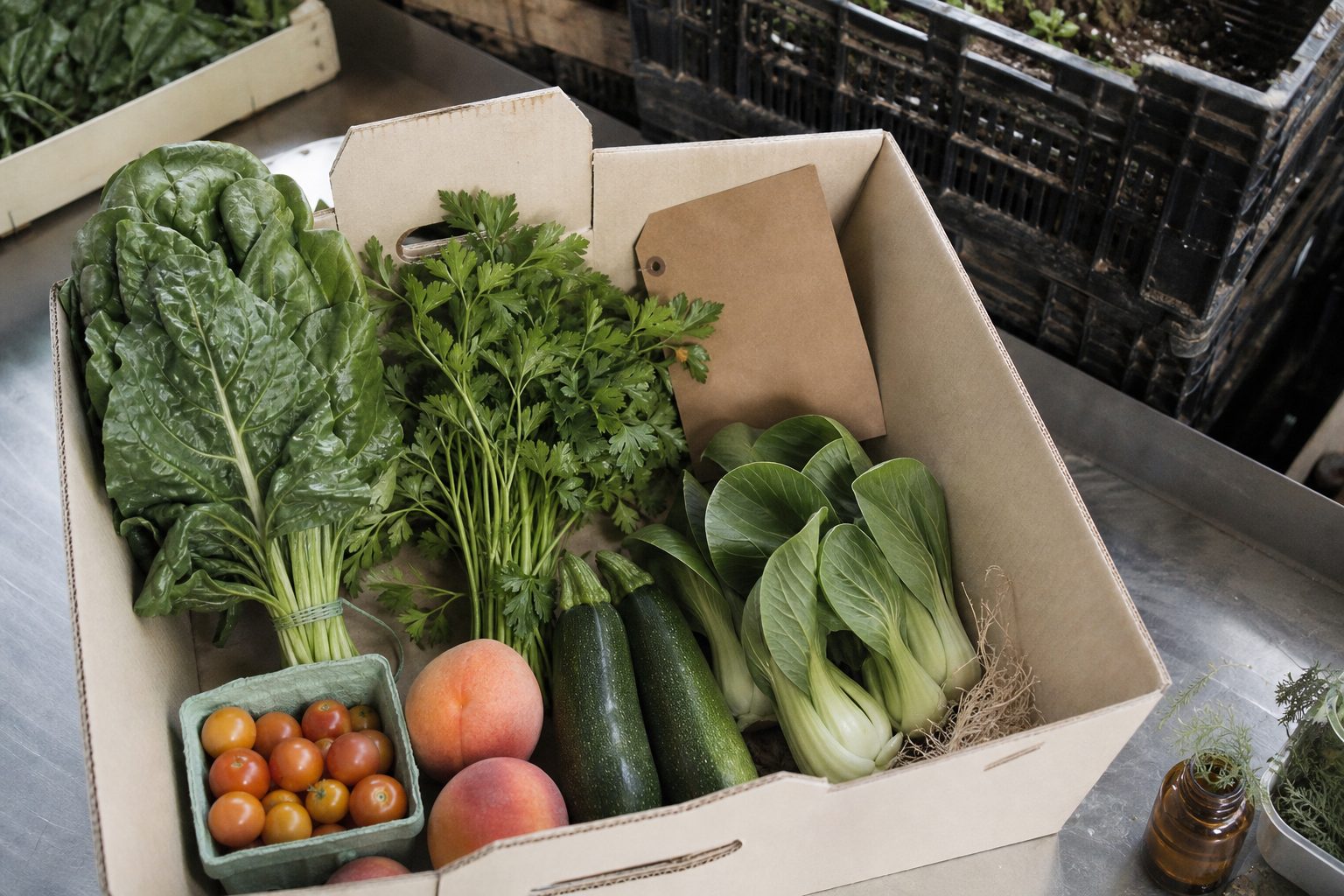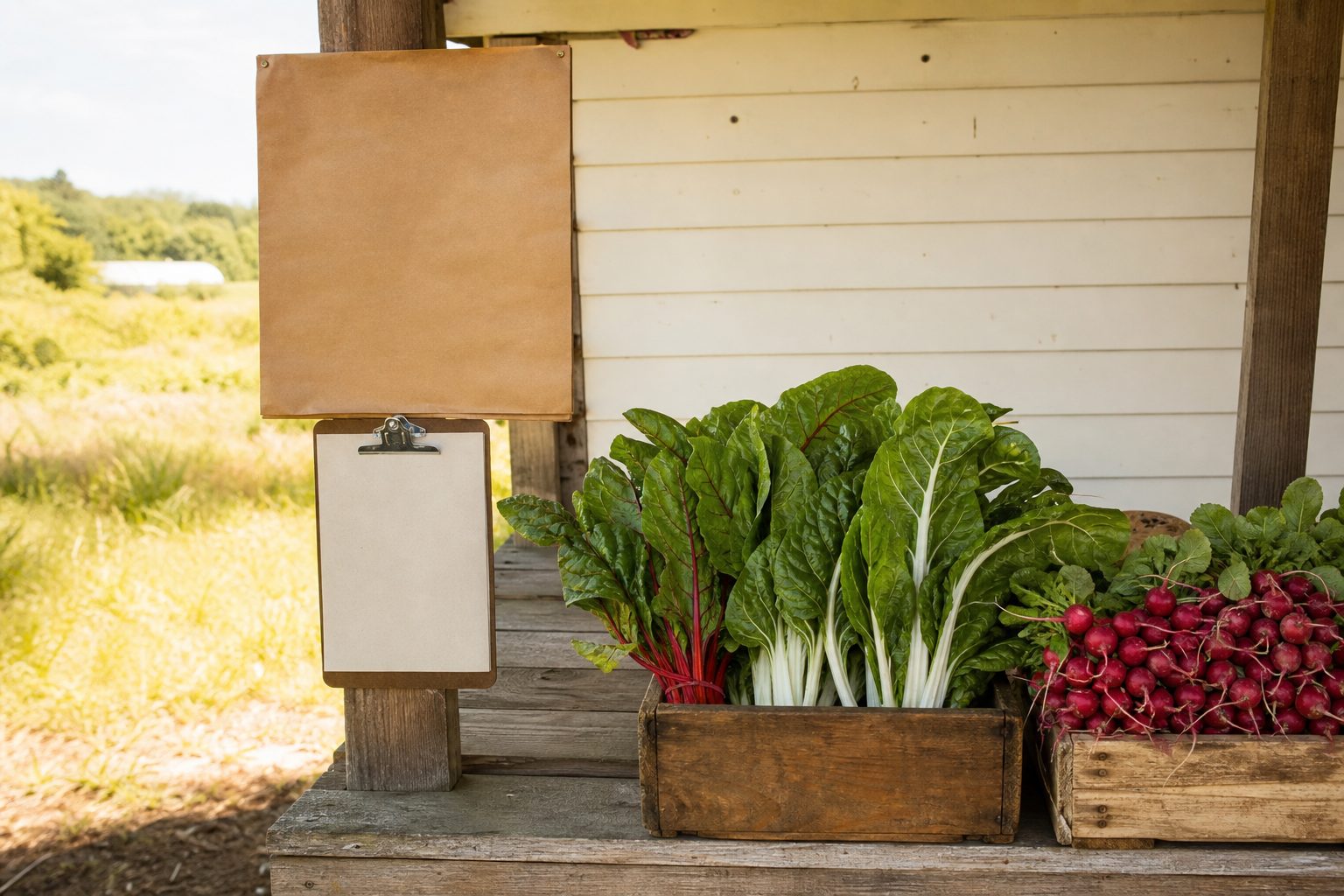
Start With Your Last Frost Date, First Frost Date, and Pickup Day
Every CSA share calendar starts with three anchors: your last expected spring frost, your first likely fall frost, and the day your members pick up their shares. These dates frame your growing season and set the outer limits for what goes in the box. Knowing them upfront makes every later decision easier.
The last frost date is your signal to start direct seeding cold-tolerant crops or setting out hardened transplants. Most growers count the weeks between last and first frost to see how many harvests they can promise. The pickup day, whether it's Wednesday, Friday, or Saturday, becomes the heartbeat of your farm's weekly cycle. Every harvest, wash, and pack operation turns around this date.
If your farm straddles two hardiness zones, or your fields have microclimates, choose the more conservative frost dates to prevent over-promising in your calendar. Record these three dates somewhere visible: many growers hang a big calendar in the wash station or pack shed. This is the backbone for your whole share plan.
Keep reading: Fixed Box vs Choice Box vs Market Credit: Three CSA Models Compared
Count Backward: Days to Maturity Plus Transplant and Cure Time
Once you have your start and end dates, the next step is using days to maturity to plot sowing and transplanting. Most seed packets list days to maturity from direct seeding or transplant. For crops that are started indoors, add germination and nursery time before transplanting outdoors. For curing crops like onions or winter squash, add the time you'll need for drying before they can go in a share.
To plan carrots for a week 10 share, find the variety's days to maturity (for example, 70 days). Count backward 10 weeks from your week 10 pickup, and add 7 to 10 days for germination and early growth. If you want mature storage onions for week 18, add growing days, plus 2 to 3 weeks for field curing. Write each sowing and transplant date on your calendar, not just the harvest week.
This backward counting method prevents gaps and avoids last-minute scrambles. It also highlights where you need to double up on successions. Some growers use spreadsheet templates or wall charts for this step, so every date is visible at a glance.
Filling the Hungry Gap in Weeks One Through Four
The first four weeks of CSA shares are notorious for light boxes. Overwintered greens, early radishes, and stored roots are the mainstays, but the real trick is finding enough variety to keep members happy. The "hungry gap" is where careful calendar work pays off.
Overwintered and Hoop House Crops
If you have low tunnels or a hoop house, spinach, kale, and green onions can come in earlier. Plant overwintering spinach and kale in the fall, then uncover as soon as the weather allows. These crops can fill boxes starting as soon as the soil thaws.
Stored Roots and Alliums
Carrots, beets, celeriac, and onions stored from last fall are valuable for the early weeks. Check your storage bins in March to see what's viable. Some growers hold parsnips or salsify in the ground under mulch, pulling them in April or May.
Quick Greens and Fast Radishes
Under row cover, arugula and salad radishes can be ready in as little as 21 to 28 days once soil temps hit the right zone. Seed these as soon as a hoe can work the bed, and plan to re-seed every week for a steady supply.
To avoid bare boxes, many growers promise "greens-heavy" shares for the first three to four weeks and communicate this in spring newsletters. Your calendar should show which weeks are lean, so you can plan any possible storage or overwintered items to land there.
Keep reading: The Substitution Mistakes That Drive CSA Members to Cancel
Laying Out Succession Blocks for Salad Mix, Lettuce, and Beans
Lettuce, salad mix, and bush beans are central to most CSA shares but have different rhythms. Laying out succession blocks for these crops is the foundation of a steady calendar.
Succession Timing
Lettuce and salad mix are usually seeded every 7 to 14 days. In hot weather, push the cycles closer to 7 days to avoid bitter or bolting crops. In spring and fall, 10 to 14 days is typical. For bush beans, a new bed every three weeks keeps the harvest window open.
Block Planning
Assign a block number to each bed or tunnel: Salad Block 1, Salad Block 2, and so on. Write each seeding date and the expected harvest window on your calendar. When a block is done, move to the next. If a block fails or gets hit by pests, you already have the next succession in place.
Overlap and Gaps
Overlap your final harvest from one block with the start of the next. This covers shortfalls from poor stands or weather. For beans, overlapping a week or two keeps the boxes from running short during peak demand.
In your share planner, color code these blocks or use a spreadsheet filter to track what's ready for each week. This makes substitution and swap planning much easier when you need to adapt.
Give Every Week One Backbone Crop and Three Rotators
A strong CSA box has at least one dependable main item and a rotating cast of supporting crops. The backbone crop is often something like carrots, potatoes, onions, or cucumbers. Rotators are items like bok choy, kohlrabi, eggplant, or specialty greens.
Backbone Crops
Backbone crops are chosen for their reliability, yield per bed, and storage ability. Plan for one backbone crop in every share week, and stagger plantings to keep them coming. For example, carrots can be seeded in waves so that one bed matures each month from June to September.
Rotator Crops
Rotators keep the box interesting and add value for members. They are more sensitive to weather, pests, or market swings. In your calendar, slot three rotators per week, but always have substitutes in mind if one fails or is delayed. Track planting and expected harvest windows to avoid surprises.
Use notes or a grid to mark which crops fill each slot week by week. Over time, this record becomes a template for following seasons, making it easier to promise a balanced box.
See how CropShareBox handles this for small farms and agriculture
Building a Failed Planting Buffer Into Each Succession
No season goes exactly to plan. Cold snaps, heavy rain, or insect pressure can wipe out a planting overnight. Experienced growers always build a buffer into their calendar to cover failed or delayed crops.
Double Seeding and Backup Beds
For high-risk crops like spinach or carrots, sow extra rows a week later than your main succession. If the first planting fails due to weather or germination, the backup is already on the way. Use the buffer bed for market sales if the main crop works out.
Alternative Crops and Fast Fill-ins
Have fast-maturing crops like radishes, baby greens, or turnips ready to fill box gaps. These can be direct seeded and mature quickly, letting you recover a lost slot in as little as three weeks.
Communicating With Members
Mark backup crops and alternate plans in your calendar, so you're ready to communicate changes. Members appreciate honesty about weather setbacks and substitutions. A clear plan helps you keep the box full and members satisfied even in tough weeks.
Checking the Calendar Against Cooler and Wash Station Capacity
A good CSA calendar is more than a planting schedule. It also matches your harvest volume to the physical limits of your cooler, wash area, and packing table. Overfilling any of these leads to chaos, damaged produce, and lost income.
Harvest Volume and Storage Limits
Estimate the yield for each crop and share week. Multiply expected units per bed by beds scheduled for harvest. If the total volume in week 13 fills every bin and cooler shelf, adjust your plantings or harvest timing. Spread heavy crops, like cabbage or watermelon, across multiple weeks if possible.
Wash and Pack Scheduling
Some crops, like salad mix or bunched greens, require more wash and pack time. If your crew can only wash 500 pounds of greens per day, do not schedule more than that for a single pickup. Break up heavy harvests into two days, or stagger crops by harvest window.
Map your calendar against labor availability, too. Summer vacations, other market days, and big harvests all compete for crew hours. A realistic share calendar accounts for what your team and facility can handle without burnout.
As your farm grows, these checks keep your share promise in line with reality. Review and adjust your calendar each season as you add new equipment or expand your member count.
The right CSA share calendar is a living tool that keeps your promises on track and your crew sane. Digital planners tied to actual harvest availability, with built-in notes and substitution options, help farms stay flexible and responsive week after week. Tools like these make it easier to manage the moving parts that keep CSA boxes full and members happy all season.